
Home > KMC Blog index > Current article

Awareness panelist for a second time
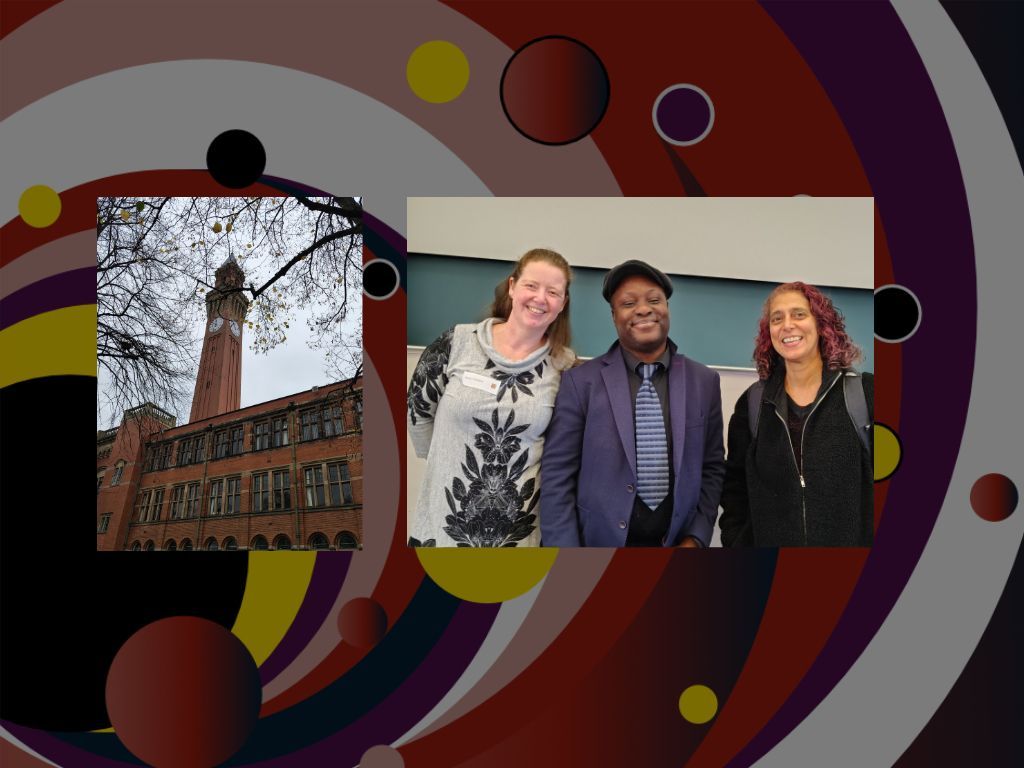
Participated for University of Birmingham
The University of Birmingham invited me for a second time to be part of an awareness study event as a seminar panelist. This event was organised as part of the study weekend arranged by the School of Education and was coordinated by my long-time friend, Andrea McLeod, Associate Professor in Autism Studies at the University of Birmingham. The seminar was presented to MA Inclusion Programme students from the School of Education, focusing on inclusion.
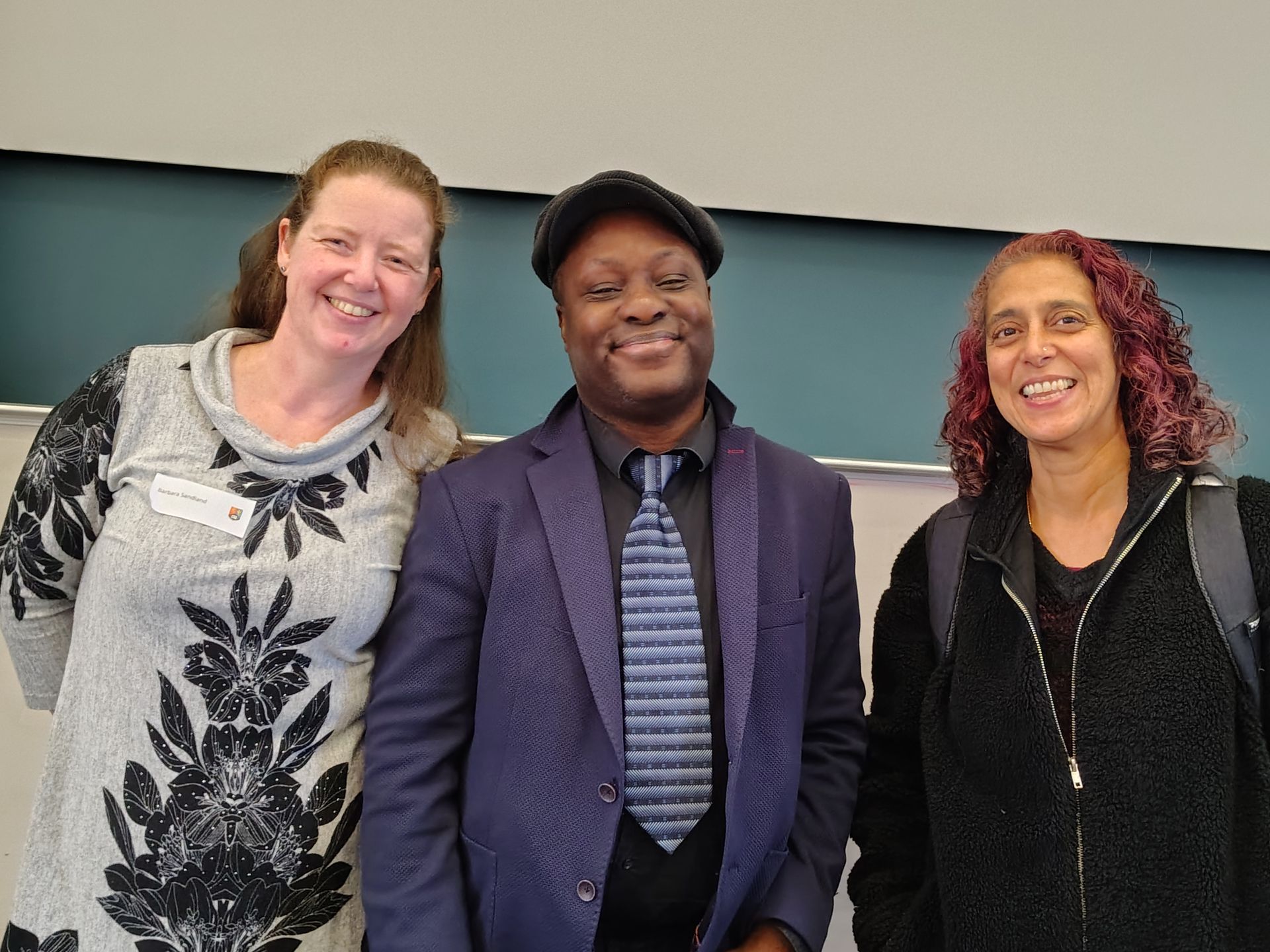
I was joined by Dr. Barbara Sandland, Research Fellow within the Autism Centre for Education and Research, and Anita Sonia, Academic and Professor, as well as Head of the School of Education.
The event was moderated by Prithvi Perpea, Associate Professor at the Department of Disability and Special Needs, and Global Engagement Lead for the School of Education.
Event Summary
The event covered a wide range of topics, including the diagnosis of specific challenges, how support could be improved for young people with specific difficulties, best practices for supporting autistic individuals, financial challenges faced by local authorities related to diagnosis and support, and examples of good practice in the field.
Some of the points I raised included:
The need for innovative partnerships between schools, parents of children with specific difficulties, universities, and local communities. The role of local communities is crucial, not only for young people but also for adults with specific difficulties. However, this approach must be based on lived experience, not solely medical research or perceptions. This is especially important since some foundational organisations for ADHD and Dyspraxia have closed down in recent years. Additionally, in certain areas, referrals have been discontinued, which has impacted the support process for individuals with ADHD.
The potential financial difficulties faced by local authorities in supporting Special Educational Needs and Disabilities (SEND).
As a neurodivergent individual with a multicultural background, I emphasised the need for a stronger, more coherent approach to supporting families, particularly in overcoming the negative stigma that often accompanies diagnoses. This stigma can unfairly dehumanise individuals with specific difficulties, leading to a downgrade of their social status and labeling them as liabilities.
Reflections on Recent Welfare Reform Proposals
Regarding the recent welfare reform proposals by the government, I expressed concern that not enough has been done to address the barriers autistic individuals face in employment. There needs to be a greater emphasis on embracing talented and ambitious individuals who could excel in the workplace if they are supported, valued, and validated.
I participated in the public consultation with the Department for Work and Pensions (DWP) on these welfare reform proposals.
Some of my comments included:
The need for a shift in ethos regarding employment support and government programs. These services should not generalise individuals but should be tailored to the needs of neurodivergent people.
The importance of improving standards to ensure that individuals are not penalized for the difficulties they face but are instead encouraged to leverage their strengths and attributes.
Seminar Insights: Birmingham Tech Week
I also contributed during a seminar discussion at Birmingham Tech Week, where a new recruitment process was introduced that could unfairly discriminate against autistic and neurodivergent people. This was in response to a question regarding the type of support that would be beneficial for successful employment outcomes for these individuals.
In addition, I shared several examples from my own awareness developments, specifically related to inclusive practices.
Disclosure in the Workplace
During the event, I responded to a question from the audience regarding the decision to disclose or not disclose one's neurodivergence in the workplace. I highlighted a conflict of interests (some experts and high-profile individuals choose not to disclose their neurodivergence to improve employment opportunities, while others argue for transparency.) I also mentioned a recent high-profile court case in the East Midlands, where a former manager was dismissed after failing to disclose a history of depression, citing health and safety concerns as the rationale for non-disclosure.
Conclusion
According to the event organizers, the seminar was well-received by the students. My input provided a valuable insight and perspective that enriched their studies.
Acknowledgements
I would like to thank you to Andrea McLeod and the rest of the team at the University of Birmingham to enable me to participate
This article is linked with the following development categories


Notice to editors
Keith Mckenzie
Keith is an awareness campaigner, a creative designer (Graphic design and digital art) and a salsa dancing participant
With a background in Art & Design (including Graphic Design & Digital art) and a participant in music-related film documentaries, events & record label project King Of the Beats including filming and behind the scene preparations.
Keith was educated at Hereford College of the Arts, the University of Northampton, Birmingham City University and Google's Digital Garage. Since 2000, he has developed over twenty years in providing awareness projects, campaigns and activities with the Awareness brand Plus Value Awareness along with Differences Originals. Also are involved with salsa classes in the local community as an assistant. Also have participated in major dancing conventions twice a year at Birmingham's NEC for Birmingham Latinmotion and London's ManboCity.
In 2022, Keith become a featured community participant for Birmingham who became part of special projects and campaigns to promote a positive legacy beyond hosting the commonwealth games




Follow me on Social media
